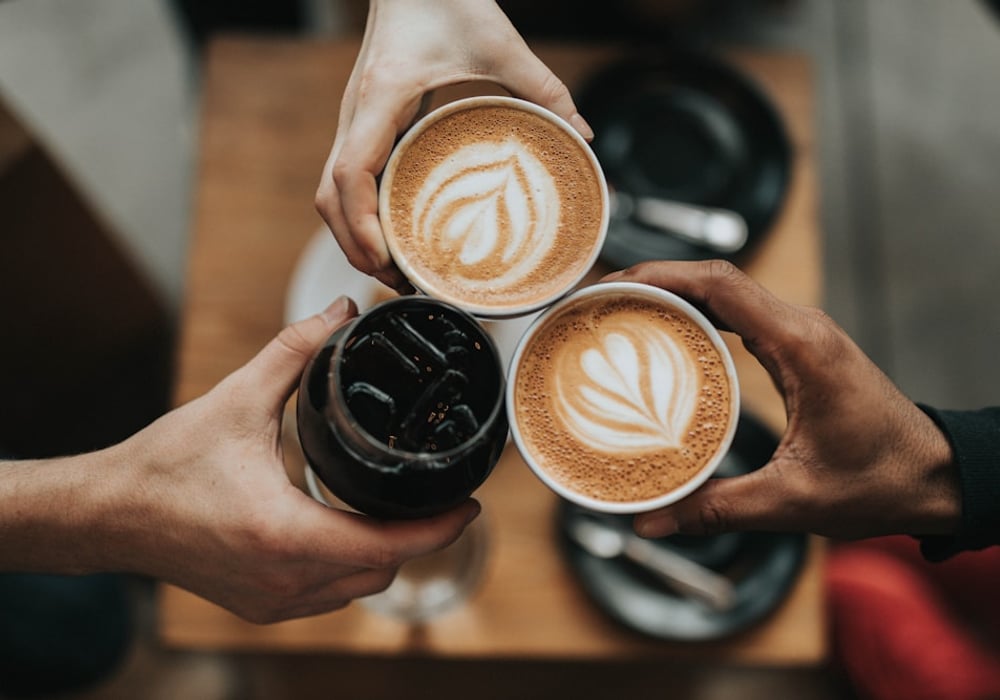
The coffee shop at the end of my block opens before the sun clears the car park roof. I come down early when I cannot sleep and take the table by the window — the one the ceiling fan never quite reaches. The uncle knows my order without asking: kopi, less sweet, no drama. He slides it across the round table and returns to wiping cups with a cloth that has seen ten thousand mornings.
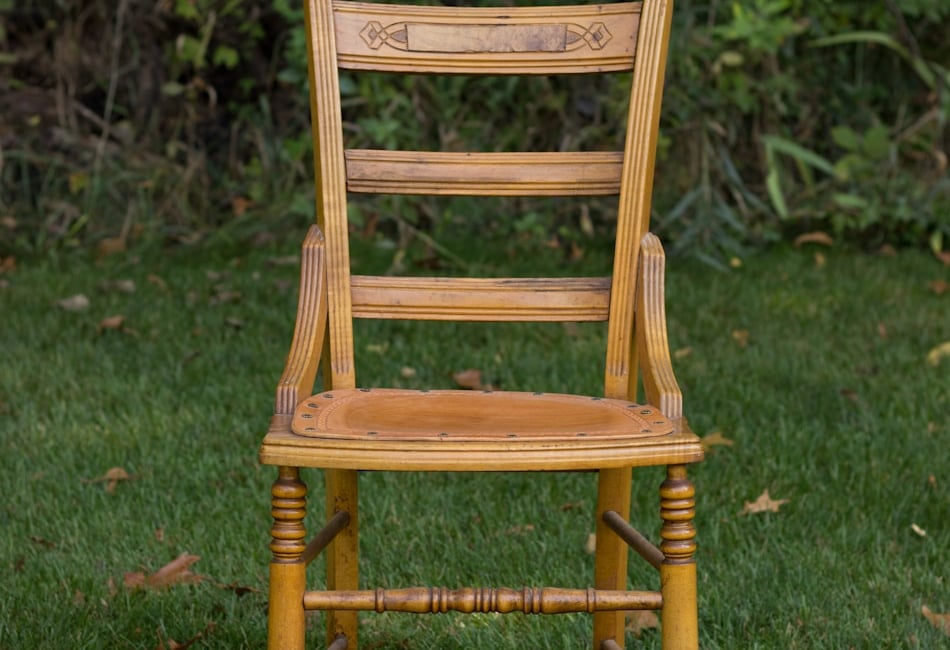
From that seat I watch the void deck wake up. An auntie folds marketing flyers into her trolley bag. A secondary school student reheats a bun in the microwave and burns the edges slightly, then eats it anyway. The plastic chair outside, facing the road, is always occupied by someone who is not in a hurry. I like that chair even when it is empty because it means the day has room.
I write on ash-toned paper with a pen that skips when the humidity spikes. Most of what I write is not publishable — grocery lists, reminders to buy soap, a sentence about the lift smelling different on Tuesdays. Occasionally a paragraph survives. This one survived because the table felt steady while the estate moved around it.
The coffee shop is not a hidden gem, not a must-visit, not a review. It is infrastructure with a menu. I come here because the walk is short and the light on the table is kind at seven-thirty. Sometimes I read a page from someone else's notebook in my head and compare their city to mine. Their rain is louder. My fan is slower. Both are true.
When the morning rush arrives — office lanyards, delivery riders, the uncle shouting orders in three languages — I fold the paper and leave before the queue reaches my corner. The walk back to the lift takes ninety seconds if I do not stop to read the noticeboard. Someone has posted a lost cat flyer with a phone number I will not copy here out of respect.
Afternoons belong to other people at this table. I prefer the edge hours. The lamp in my flat can wait. The notebook cannot, apparently. I do not know why I trust paper more than the notes app on my phone. Maybe because paper does not suggest corrections. Maybe because the coffee shop table leaves a faint ring that marks where the cup sat — a small tide mark I can see without trying.
On the way out I pass the window again and see my own reflection layered over the road. For a second I look like a person in a magazine about ordinary life. Then a bus blocks the glass and the image breaks. I take the lift up, the fan in the corridor turning on its lowest setting, and I am home before the second kopi would have cooled.
That is the whole scrap — a morning habit, not a manifesto. If you sit at the same table someday, wipe the ring before you write. The uncle appreciates a clean surface. So do I.
Sometimes I leave a one-line note on the paper — the date, the hour, the word kopi — nothing more. Those lines become anchors when I scroll back months later and cannot remember whether a week felt long or short. The coffee shop keeps its own calendar in steam and chatter.